 VapeWholesaleHub
Certification Routes for Lavender Ice in Different Markets — Duty and Tax Worked Out
We ship lavender ice to distributors in very different markets, and the same five questions come up almost every week. Rather than answer them in email each time, we have written them out properly here.
Pricing and Margin
Build lavender ice price tiers around order sizes your customers actually place. Tiers that only make sense on a spreadsheet get ignored, and you end up discounting ad hoc instead.
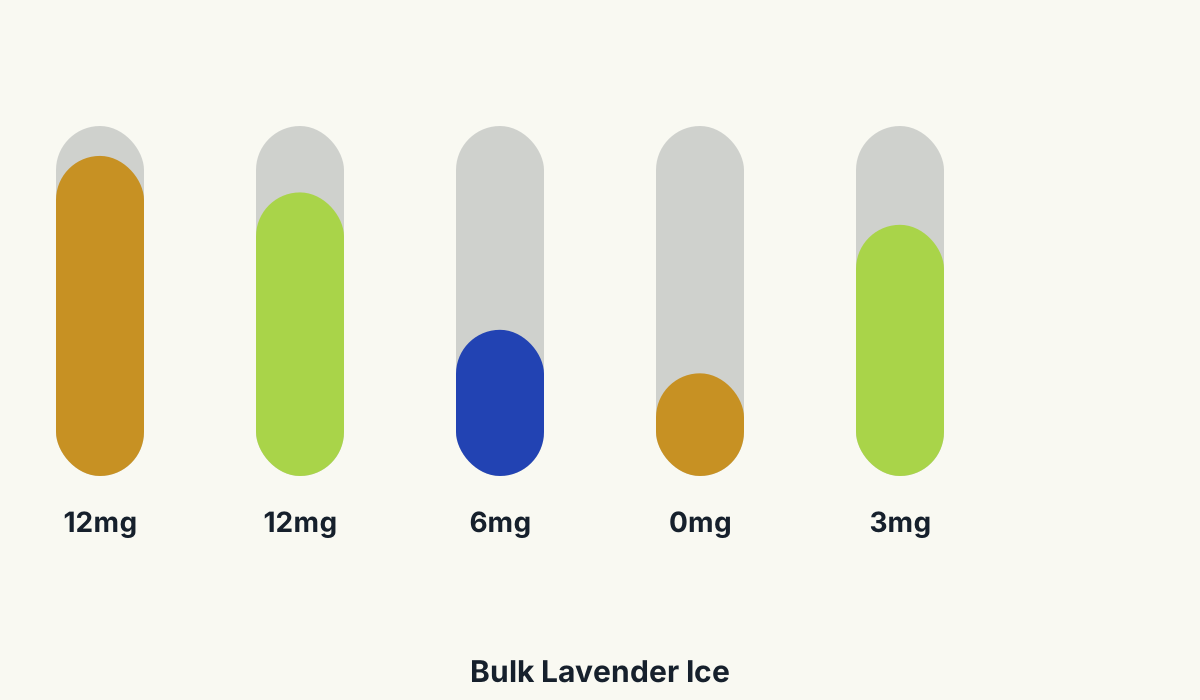
Indicative reference points for planning purposes: entry tier from USD 1.55 per unit at 2000 units, mid tier at USD 0.81, and volume tier at USD 1.37 for full container quantities. These figures move with specification, packaging and freight, so treat them as a shape rather than a quote.
Getting Lavender Ice to Your Warehouse
Customs classification for lavender ice varies by market and changes from time to time. We ship with full documentation, but your broker should confirm the current code before your first order rather than after it lands.
Freight is the hidden half of lavender ice unit economics. A denser master carton can save more per unit than a hard negotiation on factory price, because the saving repeats on every reorder rather than once.
Inspection Before Dispatch
Train whoever receives lavender ice cartons to note anything unusual at the point of unloading. Damage discovered at the dock is a freight claim; damage discovered a week later is your problem.
Keep a photo record of every lavender ice approval sample. Written descriptions age badly; a dated photograph next to a delivered unit settles most arguments in seconds.
- Plan the switch from air to sea freight before you need it.
- Confirm the current customs classification with your own broker.
- Check carton dimensions against your freight quote before confirming.
- Model landed cost, not ex-works price, when comparing quotes.
- Ask how the factory measures puff count, then compare like with like.
What to Fix Before Approving Lavender Ice
Two specifications that matter more than buyers expect: the seal integrity after a drop test and the consistency of the draw from first use to last. Both are measurable before you commit to volume.
| Product category | Open system |
|---|---|
| Resistance band | 1.0 - 1.2 ohm |
| Capacity tolerance | +/- 5% |
| Puff count method | Machine cycle 3s on / 27s off |
| Master carton | 200 units |
| Carton weight | 12.5 kg |
| Shelf life | 24 months |
| Storage | 15-25 C, dry, away from direct light |
Merchandising and Listing Tips
Staff knowledge moves lavender ice more than any fixture. A two minute explanation of the difference between this line and the one next to it converts a browsing shopper into a repeat buyer far more reliably than a discount.
Practical Checklist
- Plan the switch from air to sea freight before you need it.
- Confirm the current customs classification with your own broker.
- Write the complaint threshold into the order terms.
- Agree the tolerance band in writing before approving artwork.
- Ask how the factory measures puff count, then compare like with like.
- Start with a mixed carton and let your own sell-through decide.
Frequently Asked Questions
What happens if my market changes its rules?
Regulations move, and packaging or documentation sometimes has to follow. We keep approved artwork files on hand so that a required change is a reprint rather than a redesign, which keeps the cost and delay down.
What if a batch does not match the sample?
Keep the retained samples from the approval stage. If a delivered batch measurably differs, we compare against the retained set and resolve it against the production record. This is why we insist on sealed retained units from every run.
What information do you need to quote?
Target specification, approximate quantity, destination and any packaging requirement. With those four we can usually come back with a costed option the same working day rather than a request for more information.
Is there a warranty on lavender ice?
Manufacturing defects are covered against the retained sample standard. Normal wear, misuse and damage after opening are not. We publish the threshold in the order terms so both sides know exactly what the claim process looks like.
Next Step
Start smaller than feels comfortable, measure honestly, then scale what worked. That sequence has saved more of our customers money than any negotiation tactic we could suggest.
Related Reading
- Lavender Ice Escalation Path When Something Goes Wrong — New Distributors
- Lavender Ice Trade Credit and Account Terms — Real Numbers Only
- Lavender Ice Tooling and Moulding Cost Structures — Seasonal Demand Peaks
- Lavender Ice Escalation Path When Something Goes Wrong — Cross-Border Trade
- Lavender Ice Review Mining for Product Insight — Plain Language
- How to Store Lavender Ice Stock Without Losing Freshness — Entry-Level Price Points