 VapeWholesaleHub
Lavender Ice Communication Cadence With Overseas Suppliers — Seasonal Demand Peaks
Retailers rarely lose money on lavender ice because of price. They lose money because the first container was bought on a photograph. This page walks through what actually matters when you source lavender ice at scale, written from the buying desk rather than the marketing department.
Inspection Before Dispatch
Inspection is only useful if the result is recorded somewhere you can find it later. A lavender ice batch log with weights, codes and measurements turns a future complaint into a five minute lookup.
The cheapest quality control step is a retained sample. Keeping three sealed units from every lavender ice batch costs almost nothing and turns any dispute into a simple comparison instead of an argument over photographs.
- Plan the switch from air to sea freight before you need it.
- Write the complaint threshold into the order terms.
- Keep sealed retained samples from every production batch.
- Confirm the current customs classification with your own broker.
- Start with a mixed carton and let your own sell-through decide.
Reading a Lavender Ice Spec Sheet
Ask any factory for the same lavender ice sample twice, three months apart. If the second sample drifts, the production line is running without statistical control and your reviews will drift with it. Consistency over time is a more useful signal than a single good sample.
| Product category | Closed pod |
|---|---|
| Resistance band | 1.0 - 1.2 ohm |
| Capacity tolerance | +/- 5% |
| Puff count method | Machine cycle 2s on / 18s off |
| Master carton | 240 units |
| Carton weight | 12.1 kg |
| Shelf life | 24 months |
| Storage | 15-25 C, dry, away from direct light |
Getting Lavender Ice to Your Warehouse
Freight is the hidden half of lavender ice unit economics. A denser master carton can save more per unit than a hard negotiation on factory price, because the saving repeats on every reorder rather than once.
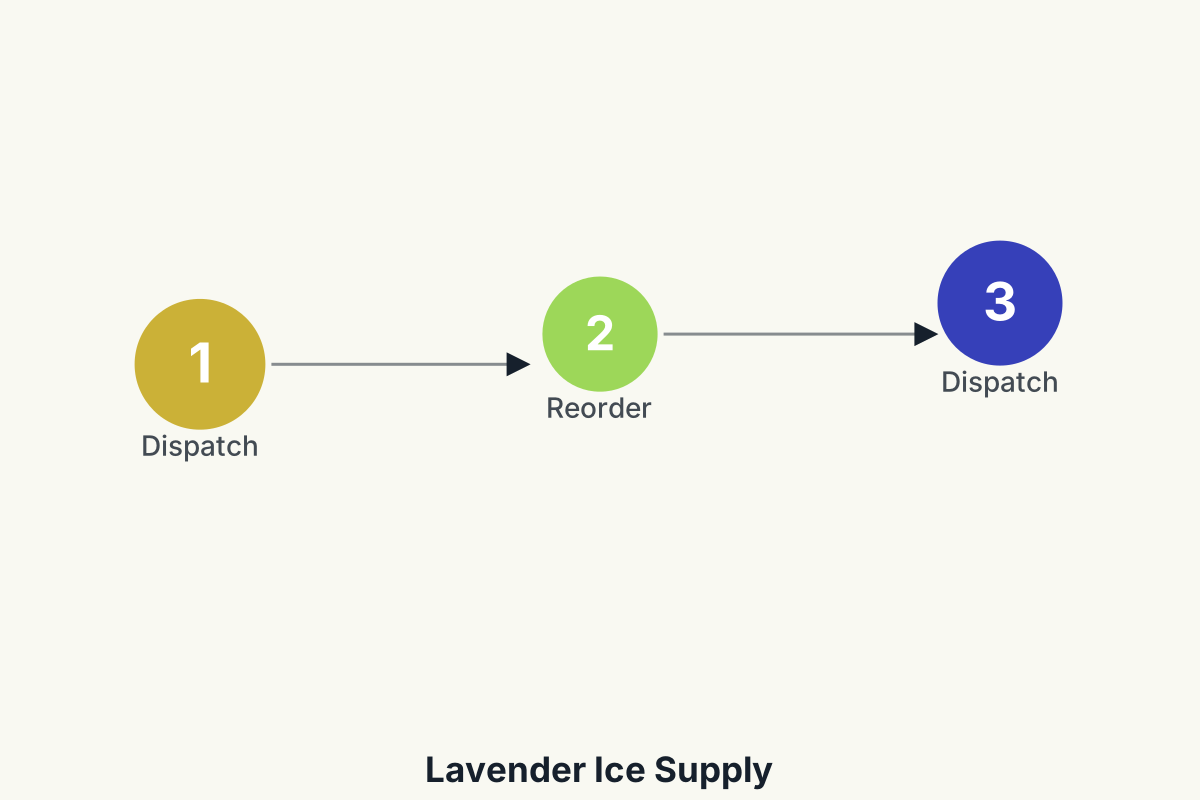
Market Signals
The most durable lavender ice lines over the last few years have been unglamorous and consistent. Novelty sells once; reliability sells every month.
Demand for lavender ice has been steadily rebalancing. The early phase rewarded whoever could ship fastest; the current phase rewards whoever can ship the same thing twice. That shift favours buyers who invest in specification rather than price shopping.
What Lavender Ice Really Costs Landed
Tiered pricing works best when the tiers match real customer behaviour. Most lavender ice buyers will take the second tier if the step is modest and the third tier only if they can see a genuine reason to hold more stock.
When you model lavender ice pricing, build in a realistic shrink figure. Even a well run line loses a small percentage to damage, expiry and sampling. Pretending that number is zero is how a healthy looking margin turns negative.
Indicative reference points for planning purposes: entry tier from USD 2.05 per unit at 500 units, mid tier at USD 1.57, and volume tier at USD 0.88 for full container quantities. These figures move with specification, packaging and freight, so treat them as a shape rather than a quote.
Turning Lavender Ice Into Repeats
Put lavender ice where the decision is made, not where the margin is highest. In most stores that means near the counter or at eye level in the category, rather than wherever there is spare space.
Staff knowledge moves lavender ice more than any fixture. A two minute explanation of the difference between this line and the one next to it converts a browsing shopper into a repeat buyer far more reliably than a discount.
Practical Checklist
- Write the complaint threshold into the order terms.
- Model landed cost, not ex-works price, when comparing quotes.
- Confirm the current customs classification with your own broker.
- Ask how the factory measures puff count, then compare like with like.
- Check carton dimensions against your freight quote before confirming.
- Start with a mixed carton and let your own sell-through decide.
Frequently Asked Questions
What if I only need a small first order?
That is normal and sensible. A mixed carton lets you test lavender ice in your own market before committing to a production run, and the specification you approve at that stage carries through to larger orders unchanged.
What if a batch does not match the sample?
Keep the retained samples from the approval stage. If a delivered batch measurably differs, we compare against the retained set and resolve it against the production record. This is why we insist on sealed retained units from every run.
What does a sample pack usually include?
A typical lavender ice sample pack covers the strengths or variants you are most likely to list, packed so you can evaluate them side by side. Tell us which lines you are considering and we will match the pack to that rather than sending a generic selection.
How should lavender ice be stored?
Cool, dry and out of direct sunlight. Heat and light are the two things that shorten shelf life fastest. Rotate stock by batch code rather than by arrival date, and keep cartons off concrete floors in humid warehouses.
Next Step
Start smaller than feels comfortable, measure honestly, then scale what worked. That sequence has saved more of our customers money than any negotiation tactic we could suggest.
Related Reading
- Spotting Defects in Lavender Ice Before Shipment — Latin America
- Lavender Ice Tamper Evidence and Seal Integrity — Replenishment Cycles
- What a Lavender Ice Production Slot Really Means — Convenience Retail
- Seasonal Planning for Lavender Ice Inventory — Regional Distributors
- Lavender Ice Distributor Onboarding Steps — Tight Margin Categories
- Lavender Ice Customer Education That Reduces Complaints — Small Batch Buyers